


If your feet tingle, burn, feel numb, or seem less responsive than they used to, your body may be sending an early warning sign. Those symptoms are often brushed off as fatigue, aging, or poor circulation, but they can point to something more serious. Peripheral neuropathy affects the nerves that carry messages between the brain, spine, legs, and feet. Because the feet are farthest from the central nervous system, they are often where symptoms begin.
At Idaho Foot & Ankle Center, we help patients identify the cause of nerve-related foot symptoms and build a treatment plan that protects long-term mobility. Early care matters. When nerve issues are ignored, balance problems, skin injuries, ulcers, and worsening pain can follow. Our team focuses on accurate diagnosis, advanced treatment options, and practical support that helps patients stay active and safe. If symptoms have started, this is the right time to act.
We provide comprehensive foot & ankle services for patients dealing with discomfort, numbness, pain, and changes in foot function.
Peripheral neuropathy happens when peripheral nerves become damaged or stop working properly. These nerves help you feel pressure, temperature, and pain. They also control muscle movement and certain automatic body functions. When those signals are disrupted, your feet may feel strange, weak, unstable, or painful.
Many patients describe symptoms in different ways. Some say their feet feel asleep all the time. Others notice burning sensations at night, sharp stabs of pain, or difficulty sensing the floor when they walk. In some cases, symptoms begin mildly and gradually intensify. That slow progression is one reason many people delay care.
When neuropathy affects the feet, it can increase the risk of cuts, blisters, and pressure spots that go unnoticed. That is especially concerning for people with diabetes or circulation concerns. Prompt evaluation helps us determine what is happening and how to reduce future complications.
There is no single cause of neuropathy. Several health conditions and outside factors can damage nerves over time. Diabetes is one of the most common contributors, but it is not the only one. Patients without diabetes can also develop nerve issues.
Common causes may include:
Because the causes vary, diagnosis should never rely on guesswork. We evaluate symptoms, medical history, risk factors, and foot health together to guide next steps.
Sometimes neuropathy announces itself clearly. Other times, it builds quietly in the background. If you have any of the following symptoms, it is wise to schedule an evaluation.
We welcome new patients who want answers before symptoms worsen.
For patients with diabetes, nerve damage can develop gradually and sometimes before diabetes is formally diagnosed. High blood sugar can injure nerves and affect blood flow, creating a combination that places the feet at risk. Reduced sensation means a person may not notice friction, pressure, or injury until the problem becomes serious.
That is why preventive foot care is so important. Routine exams help detect early skin changes, structural problems, and signs of nerve decline. With the right strategy, many complications can be reduced or avoided.
We offer experienced diabetic foot care designed to protect foot health and catch concerns early.
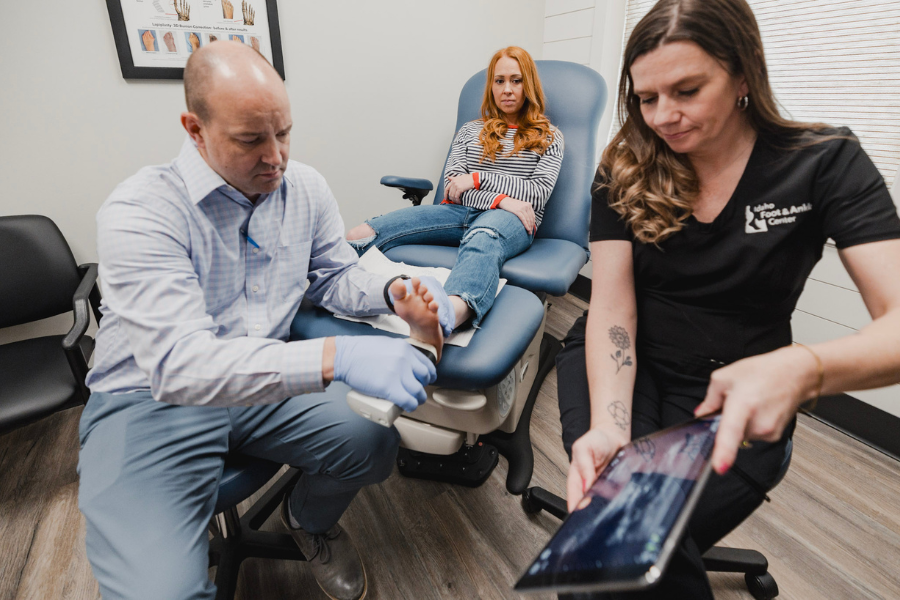
A proper diagnosis starts with listening. We want to know when symptoms began, how they feel, what makes them worse, and whether they are changing. From there, we perform a detailed foot and ankle examination that may include sensation testing, strength checks, balance review, skin assessment, and circulation observations.
We also look for related structural issues that can increase pressure or instability. Conditions such as hammertoes, bunions, or gait changes can make neuropathy more difficult to manage. If needed, we coordinate with your primary physician or specialist for broader medical support.
When patients need focused care for nerve symptoms, we may recommend diabetic peripheral neuropathy treatment options based on their specific needs.
Neuropathy treatment depends on the cause, severity, and goals of the patient. In many cases, relief comes from a combination of medical management and supportive care. We focus on reducing pain, improving function, and protecting the feet from secondary problems.
Treatment plans may include:
For many patients, one of the most encouraging options is MLS laser therapy. This non-invasive treatment uses light energy to support the body’s healing response and may help reduce discomfort associated with neuropathy symptoms.
Nerve symptoms rarely improve through neglect. Waiting can allow numbness, weakness, and pain to progress. It can also increase the chance of falls, ulcers, infections, and long-term mobility limitations. The earlier we identify the source of symptoms, the more options patients often have.
Many people assume tingling feet are simply part of getting older. They are not. Changes in sensation deserve attention, especially when they are recurring or worsening. Timely care can preserve comfort and confidence in everyday movement.
Every patient’s experience is different. Some arrive with mild nighttime tingling. Others have advanced numbness and difficulty walking. Our job is to meet each patient where they are and provide thoughtful, effective care.
Our experienced providers understand both conservative and advanced treatment paths. Patients trust our podiatrists for practical guidance, compassionate care, and clear recommendations based on real needs rather than one-size-fits-all solutions.
Your feet carry you through work, family life, exercise, and everyday routines. When nerves begin to fail, the impact reaches far beyond discomfort. Taking action now can help protect independence, safety, and quality of life.
If you have tingling, numbness, burning, or unexplained foot changes, now is the time to get evaluated. Our team is ready to identify the cause and recommend solutions built around your goals. Reach out today through contact our support team to get more info and take the next step toward healthier feet.
Yes. Many patients first notice symptoms in the toes before sensations spread into the feet or lower legs.
No. Diabetes is common, but vitamin deficiencies, back issues, medications, and other conditions can also cause numbness.
Yes. Reduced sensation in the feet can make it harder to feel the ground and stay steady while walking.
If symptoms are frequent, worsening, painful, or affecting sleep or walking, professional evaluation is recommended promptly.
.png)
September 4, 2026
Learn how hammertoes develop, which symptoms to watch for, and how professional treatment can reduce pain and improve alignment.
.png)
August 7, 2026
Learn how to recognize a foot corn, what causes it, and how professional podiatry treatment can relieve pain and prevent recurrence.
July 3, 2026
Understand when foot surgery may be needed, what happens before treatment, and how our Idaho Falls podiatrists guide recovery.
.png)
April 14, 2026
Get podiatrist-approved tips on choosing the best walking or running shoes for your foot type and activity level in Idaho Falls.