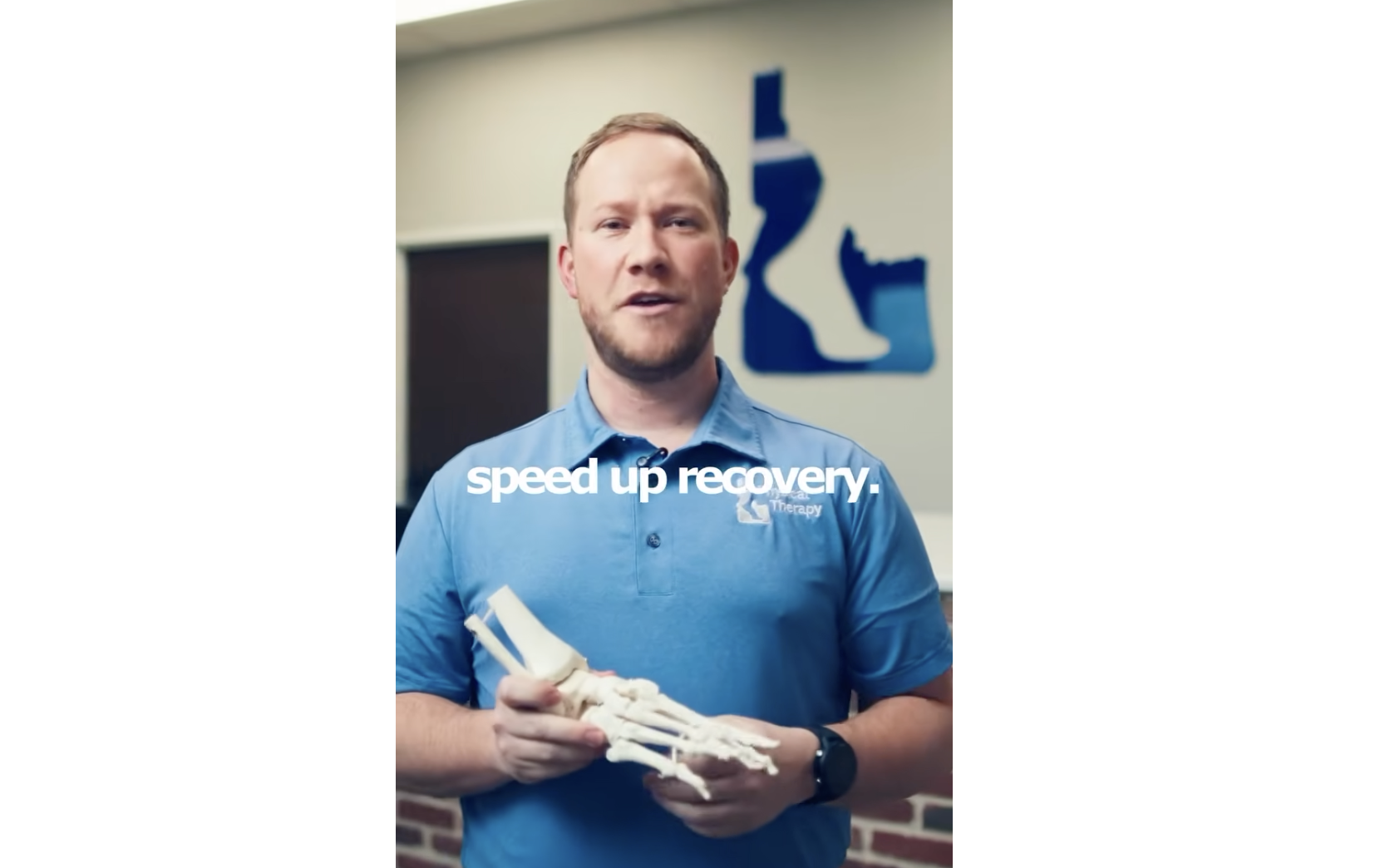
Bunions aren’t inevitable—and here’s how you may be able to avoid pain.
Most people assume bunions are hereditary, meaning if your mom or dad had them, you’re guaranteed to have them too. But here’s the surprising truth: bunions aren’t just genetic.
As a foot specialist here in Idaho Falls, I often see bunions develop because of everyday habits—many of which are easy to change.
Here are three simple tips you can start using right away to help protect your feet.
Number one: choose wider shoes.
Shoes that are too tight squeeze your toes and place extra pressure on the joints, which directly contributes to bunion pain.
Number two: give your feet a break.
Rotating your shoes and avoiding constant pressure on the same areas of your feet can help reduce stress on your toes.
Number three: strengthen your feet.
Simple stretching and strengthening exercises can improve foot stability and lower your risk of bunion progression.
But there’s one option that’s often even more effective—and not talked about enough—custom orthotics. Orthotics help support your foot structure, improve alignment, and reduce pressure on painful areas.
If bunions are bothering you, give us a call. We’d be happy to talk through a customized plan of care designed specifically for your feet.